


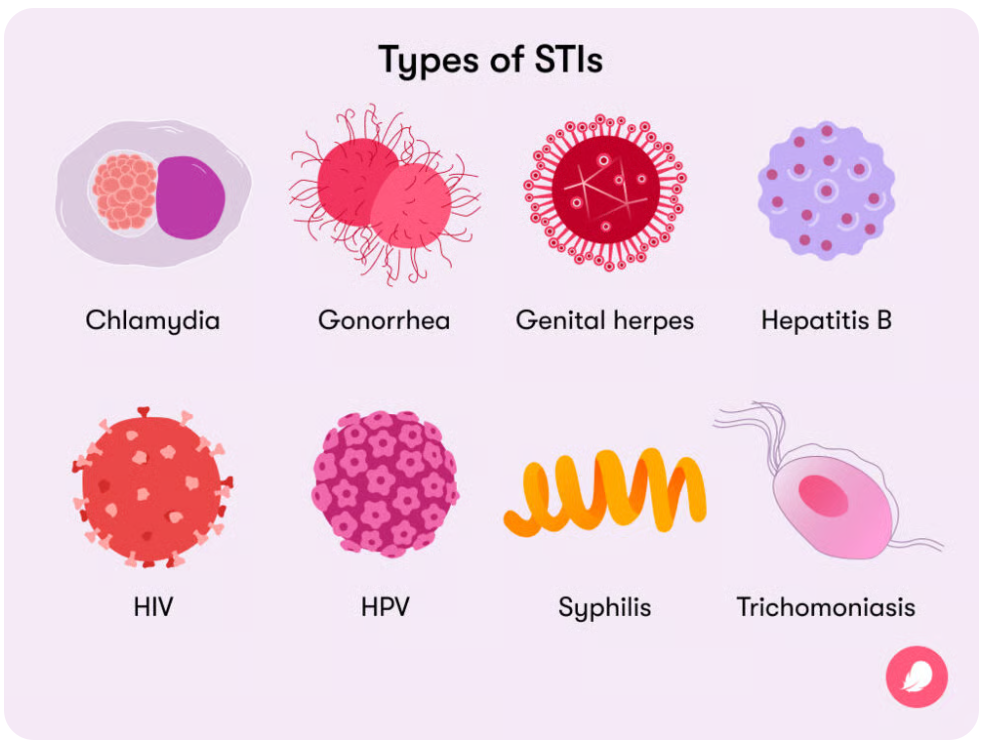
Sexually Transmitted Infections remain a significant global public health challenge, with serious implications for reproductive health, maternal outcomes, and the broader burden of disease. Globally, more than one million STIs are acquired every day. In 2020 alone, there were an estimated 374 million new cases of four curable STIs: chlamydia (129 million), gonorrhoea (82 million), syphilis (7.1 million), and trichomoniasis (156 million).
In Ghana, as in many parts of the world, STIs disproportionately affect young, sexually active individuals, especially females aged 15 to 24. This age group is particularly vulnerable due to a combination of biological susceptibility, limited access to sexual health services, and social factors such as new sexual independence, peer pressure, and experimentation. Practices such as unprotected sex, multiple concurrent partners, and non-traditional sexual activities (e.g., oral, anal, and group sex) are increasingly common, often occurring in environments where sexual health education and services are inadequate.
The Basing Lab investigates the epidemiology, molecular diagnostics, and genomics of STIs in this key population. Our research focuses on:
- Developing rapid and affordable diagnostic tools for asymptomatic infections
- Mapping molecular resistance and strain diversity of key STI pathogens
- Exploring the intersection between sexual behavior, drug use, and vulnerability to infection
- Understanding the social and structural contexts of sexual harassment, coercion, and risky behaviour
Our goal is to support targeted interventions, education, and diagnostics that can improve prevention and control strategies, particularly in low-resource settings where STI screening and treatment remain limited.